
Hurst Green Primary School
Reading
Read to know more. Read to be more. Read for life.
Welcome to our Reading homepage here at Hurst Green
At Hurst Green Primary School, we believe reading opens the door to learning, imagination and opportunity. We are passionate about developing confident, fluent readers and creating a culture where books, stories and reading are valued across the school. From early phonics through to reading for pleasure, we aim to ensure every child develops the skills, knowledge and love of reading needed to succeed. Through high-quality texts, engaging reading environments and daily opportunities to read, we encourage all children to become lifelong readers.
Our aim is to...
- To develop enthusiastic readers who read with confidence.
- To read accurately, fluently and with understanding and confidence.
- To use phonics to decode unfamiliar words.
- To be able to read in order to develop learning across the curriculum.
- To develop good linguistic knowledge of vocabulary and grammar.
How do we achieve this?
- Consistent teaching of early phonics through the use of Little Wandle.
- Ensure that reading books are accurately matched to children's phonic knowledge.
- Working closely with parents to ensure that support at home is in line with the school's approach.
- Promoting a positive culture of reading in school and reading for pleasure.
- Whole class reading lessons in KS2.
- Accurate assessment via book bands, phonics assessments, reading age tests and running records.
Reading at Home
At Hurst Green Primary School, we encourage all children in EYFS, KS1 and KS2 to read at home at least three times each week. Children in EYFS and KS1 bring home fully decodable Little Wandle books that are carefully matched to the sounds they know, alongside a school library book to enjoy at home. Pupils in KS2 bring home reading books that are matched to their reading ability and are encouraged to read a wide range of texts and authors to help develop fluency, vocabulary and comprehension.
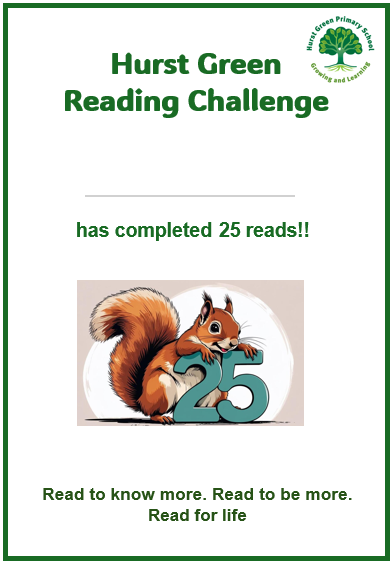
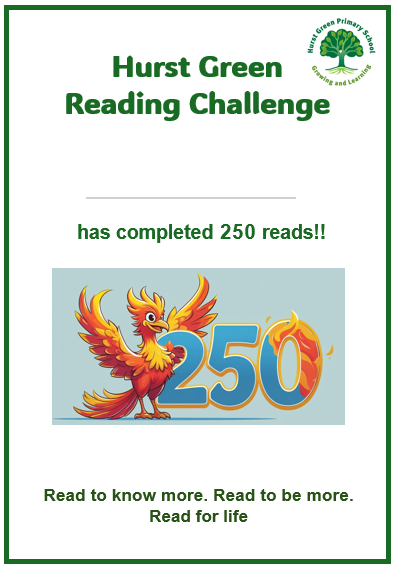
We support parents through phonics workshops, reading guidance, videos, reading diaries and regular communication to help families support reading at home effectively. Pupils can also earn reading certificates for every 25 home reads completed through our Reading Reward System
Reading Rewards
At Hurst Green, we are committed to developing a strong culture of reading across the school. Our Reading Rewards initiative is designed to encourage children to read regularly at home and develop a genuine love of reading.
Children receive a certificate for every 25 reads they complete, working their way up to 250 reads. Each read is recorded in the reading diary, dated, and only one read per day will count. This structured approach supports the development of consistent reading habits over time. Certificates are awarded in class assemblies to celebrate progress and recognise pupils’ efforts, helping to maintain motivation and engagement.
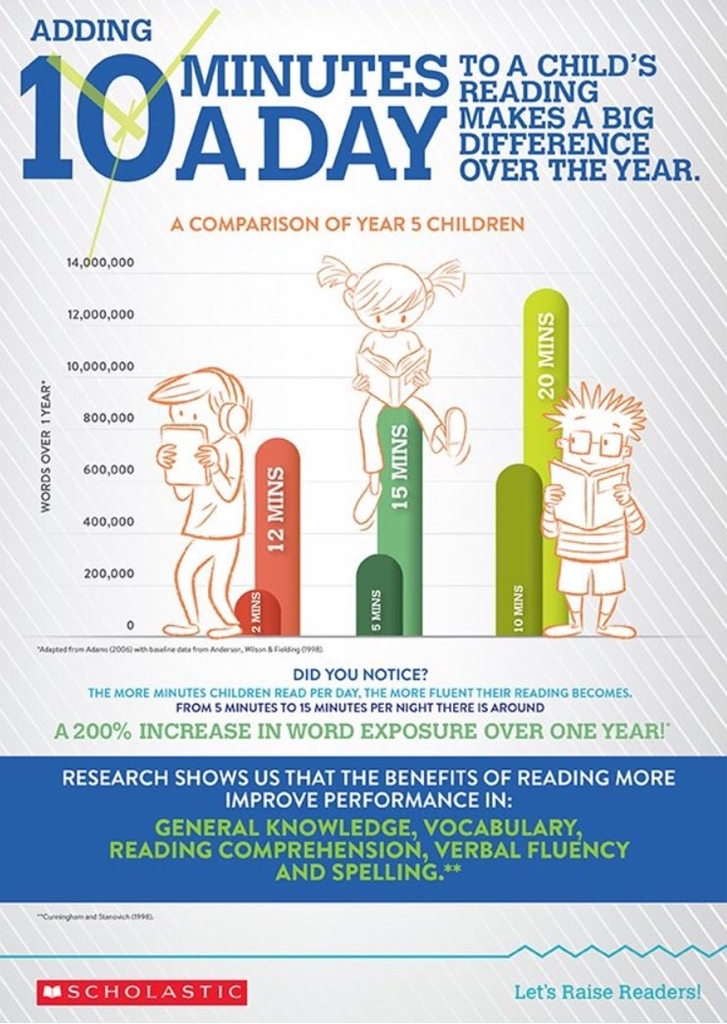
We recognise the important role that parents and carers play in supporting reading. A read is counted each time your child reads for 10 to 20 minutes at home. Regular reading practice at home has a significant impact on fluency, confidence, and overall attainment.
Through this initiative, we aim to ensure that all pupils have frequent opportunities to practise reading, develop independence, and build a lifelong love of books.
Reading Challenges
Here at Hurst Green, we love to set reading challenges during the holidays!
We regularly share reading challenges for children across the school, including EYFS, KS1 and KS2. These challenges are designed to promote reading for pleasure and encourage children to engage with books in a range of enjoyable and meaningful ways beyond the classroom.
If you complete a reading challenge, we would love you to share photographs of yourself taking part via the email address below. We will share these on the website, in line with our photo permissions, and children will receive a certificate in assembly to celebrate their achievement.
You can email your photos of you completing the challenge to: info@hurst-green.dudley.sch.uk
Happy Reading!
School Library
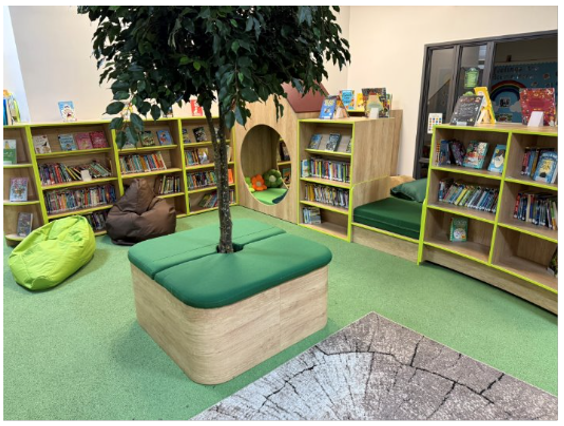
Our new school library offers a calm and welcoming environment, thoughtfully designed to nurture a lifelong love of reading. It provides pupils with the opportunity to explore books independently and discover the enjoyment of reading for pleasure.
At Hurst Green, pupils visit the library each week with their class teacher. During these sessions, they can choose books that match their reading ability, reflect their personal interests, or can be shared at home as part of a bedtime story. Pupils are also encouraged to recommend books to their peers, helping to create a collaborative reading culture.
Each month, the library highlights a range of featured selections, including Picture Book of the Month, Staff Favourites, Non-Fiction Book of the Month, and New Arrivals. We also showcase themed collections, alongside both staff and pupil recommendations. These features help to broaden pupils’ reading experiences and introduce them to a diverse range of authors and genres.
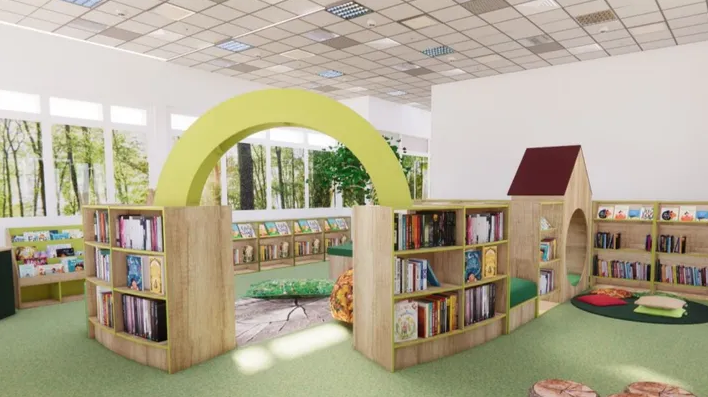
Coming soon ... KS2 Book Nook!
Watch this space for an exciting new addition to the KS2 area.
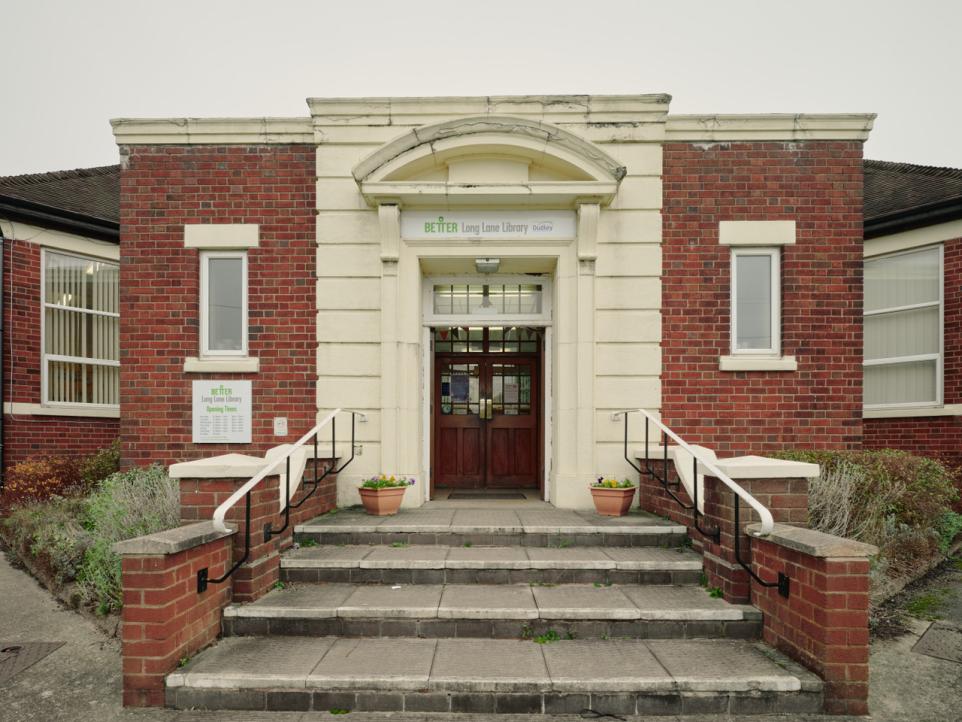
Long Lane Library
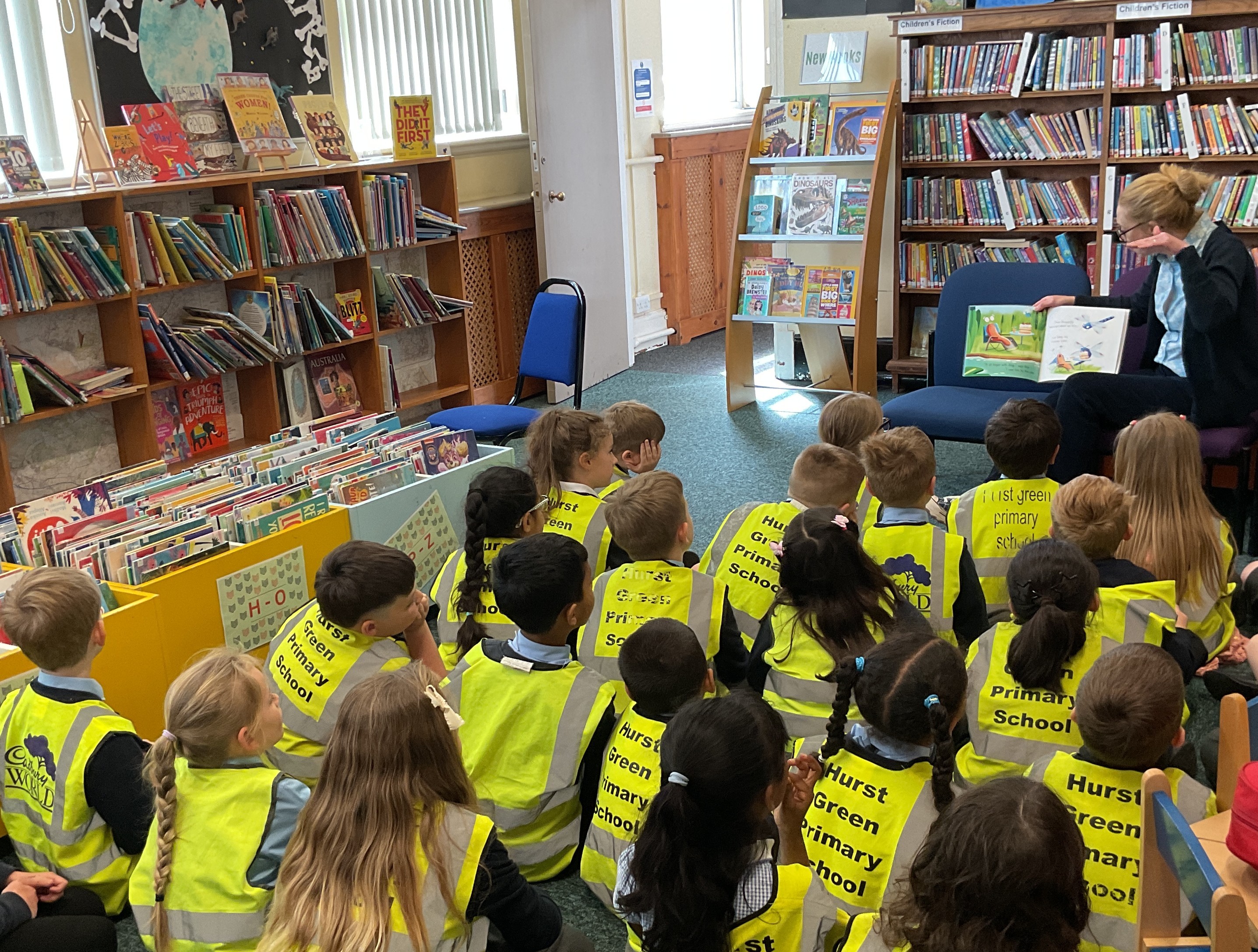
To further promote reading for pleasure, each class regularly visits Long Lane Library. These visits are an important part of helping children develop independence and enthusiasm as readers.
During these visits, children:
- Explore a wide variety of books, including fiction, non-fiction and poetry
- Learn how to choose books that interest them
- Develop an understanding of how a library works
-
Have the opportunity to borrow books to enjoy at school
Library visits help children to see reading as an enjoyable activity beyond the classroom and encourage families to continue this experience together.
Mystery Reader
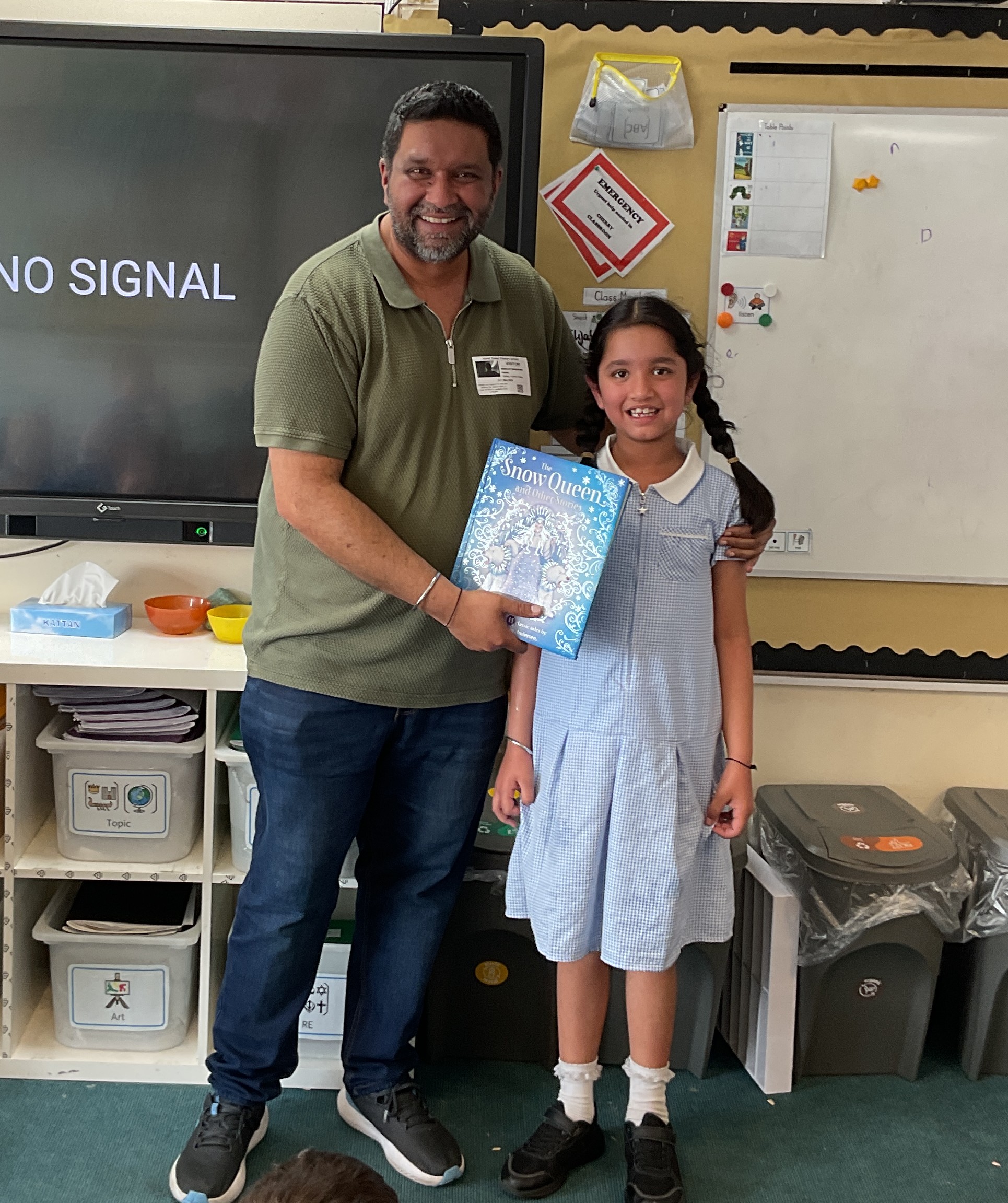
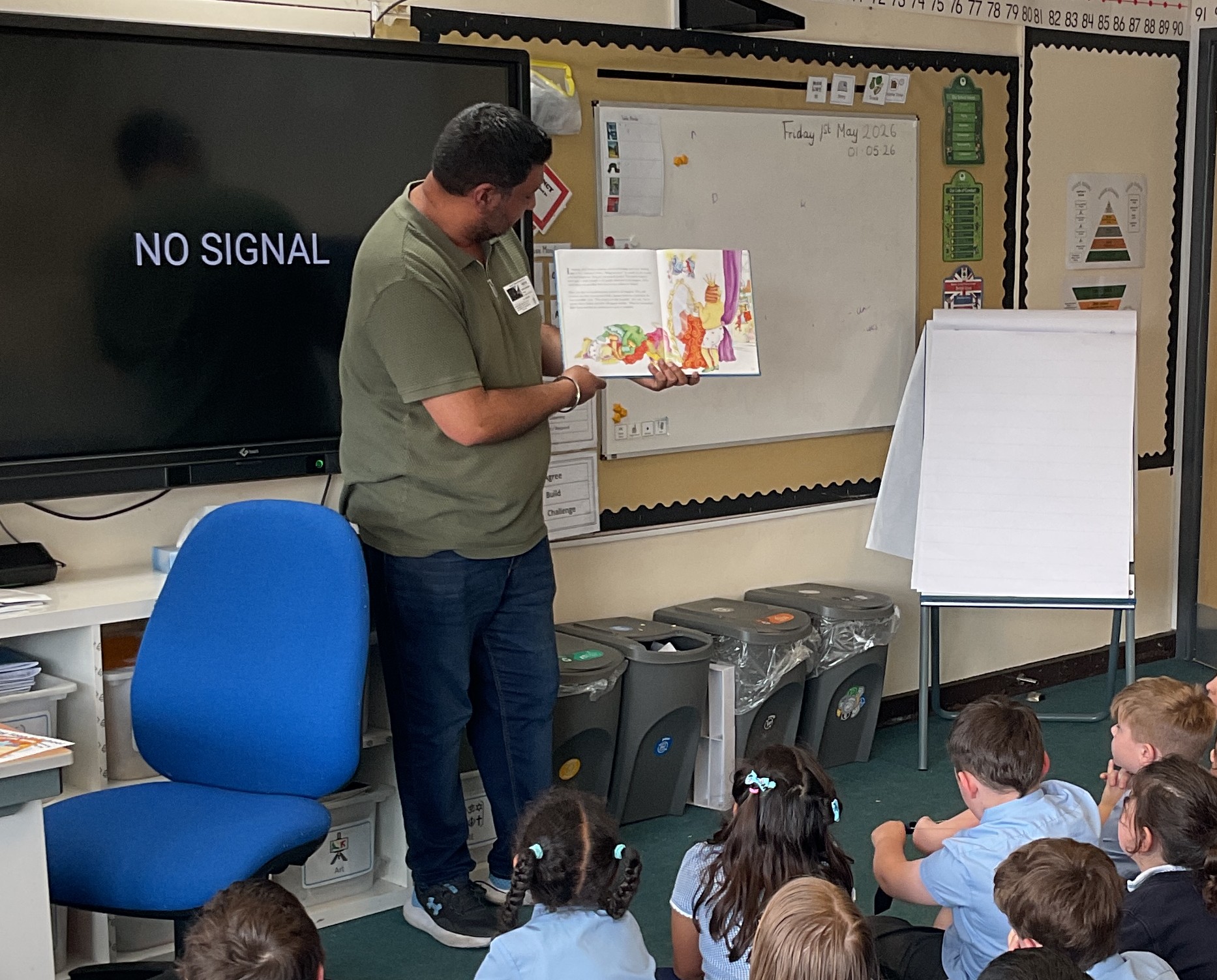
One of new but extremely popular initiatives is our Mystery Reader programme. We invite parents, carers, grandparents into school to read a book of their choice with the class.
The identity of the reader is kept a secret until the big reveal, creating a real sense of excitement and anticipation for the children. During the week children are given clues about who the mystery reader could be, creating a real buzz around the classroom. This engaging experience helps to show children that reading is valued by adults and can be enjoyed by everyone. It has been a pleasure to see children actively looking for books by the author that the adult has bought into school with them, further increasing their love of reading!
The Mystery Reader:
- Models expressive and fluent reading
- Introduces children to a wide range of stories and texts
- Encourages positive attitudes towards reading
- Strengthens links between home and school
We warmly welcome volunteers—if you would like to take part, please contact the school office.
Coming Soon ... Reading Bears!
Watch this space for an exciting new reading adventure coming to Hurst Green. Our Reading Bears will soon be visiting children’s homes to share stories, promote reading for pleasure and encourage special reading moments with families.
Supporting the Lowest 20% of Readers
At Hurst Green Primary School, we quickly identify pupils who may be at risk of falling behind in reading through regular Little Wandle assessments, phonics checks, reading assessments and professional teacher judgement.
In EYFS and Key Stage 1, pupils receive daily Little Wandle ‘Keep Up’ support matched closely to their next steps. Children who do not pass the Year 1 Phonics Screening Check receive daily Little Wandle Rapid Catch-Up intervention in Year 2 and, where needed, into Year 3.
In Key Stage 2, pupils within the lowest 20% of readers receive additional targeted support to develop fluency, comprehension, vocabulary and confidence. This may include daily reading with an adult, small-group intervention and adaptive teaching within lessons.
Our aim is to ensure every child becomes a confident, fluent and successful reader.
Reading Council
At Hurst Green, we have established a child-focused Reading Council. Working with Key Stage 2 pupils, we have brought together a group of enthusiastic and dedicated children who are keen to promote our Reading for Pleasure culture. The Reading Council is made up of pupils from Years 3 to 6.
These children meet with Mrs Ridley to discuss reading events for pupils and families, including book swaps, book fairs, and reading recommendations for all age groups across the school.
Throughout the academic year, they will be working on a range of projects to further strengthen our reading culture and encourage others to discover their own love of reading.
We look forward to sharing more of their work with you as the year progresses.
The Impact of Reading
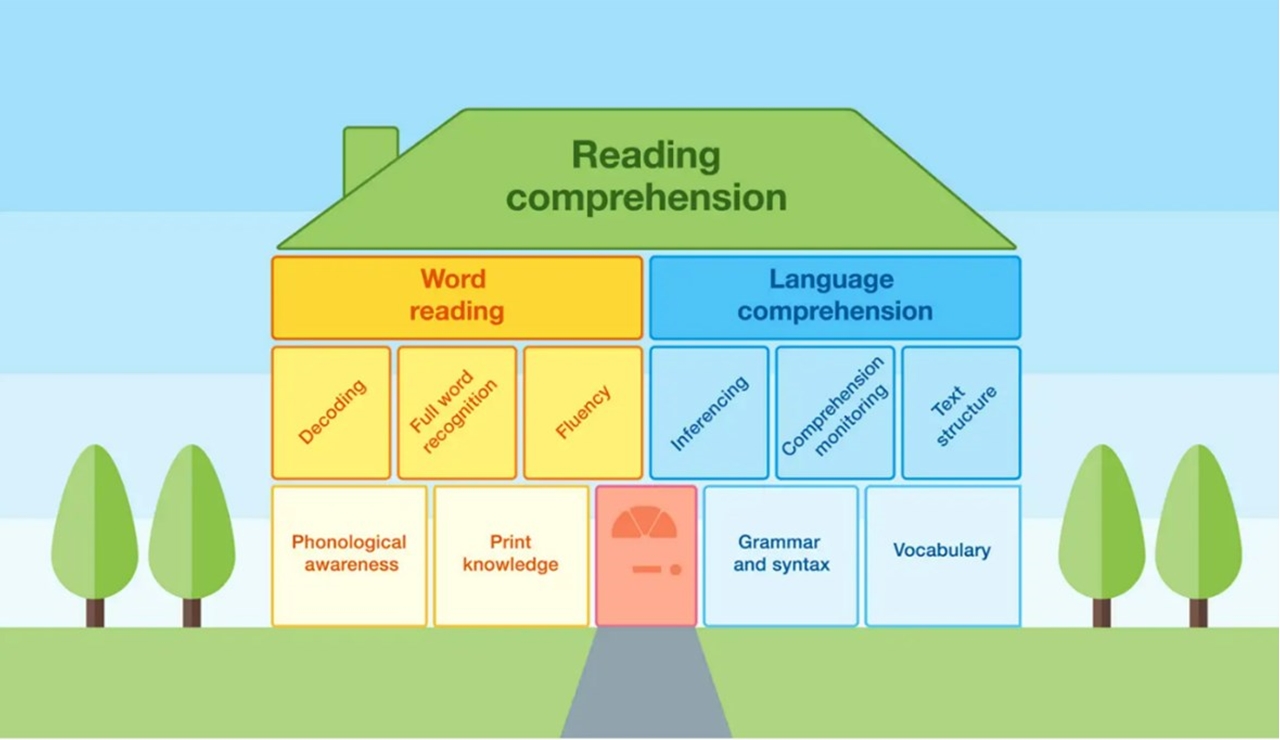
The National Literacy Trust says 'There can be few things as powerful as regularly reading to a young child. It has astonishing benefits for children: comfort and reassurance, confidence and security, relaxation, happiness and fun. Giving a child time and full attention when reading them a story tells them they matter. It builds self-esteem, vocabulary, feeds imagination and even improves their sleeping patterns.'
This can be seen across the school - regardless of your child's age. Children who enjoy reading and proactively do so at home benefit from a wide vocabulary when writing, a clearer understanding of language when working out reasoning and problem solving questions in maths, they can verbalise and record their ideas in topic lessons with coherence and so much more!
At Hurst Green, we are aware that reading can be a challenge at home and appreciate all the support we you provide to your children outside of the school setting. We can all do more to support our children with their reading. The National Literacy Trust says ' Current data illustrates: 45% of 0–2s are read to daily or nearly every day. This increases to 58% of 3–4s, in part to get them ‘school ready’, and by 5–7 years, parents reading daily to their children drops back to 44% as the notion takes hold that reading is a subject to learn at school. By this age, parental involvement can often be simply ensuring reading homework is done.'
Reading is such a large part of children's lives we need to continue to support them both school & home to make sure the children can benefit from both reading as an essential life skill but also for pleasure.
Supporting your child with reading
Supporting your child at home doesn't need to take up a lot of your time. You can support them while doing other activities or choose to spend some focused time to read together. Consistency is the key with reading, little and often can help improve any readers progress or help build their love for reading.
The gov.uk '10 top tips for parents to support children to read' material (updated in 2022) suggests:
1. Encourage your child to read - Reading helps your child’s wellbeing, develops imagination and has educational benefits too. Just a few minutes a day can have a big impact on children of all ages.
2. Read aloud regularly - Try to read to your child every day. It’s a special time to snuggle up and enjoy a story. Stories matter and children love re-reading them and poring over the pictures. Try adding funny voices to bring characters to life.
3. Encourage reading choice - Give children lots of opportunities to read different things in their own time - it doesn’t just have to be books. There’s fiction, non-fiction, poetry, comics, magazines, recipes and much more. Try leaving interesting reading material in different places around the home and see who picks it up.
4. Read together - Choose a favourite time to read together as a family and enjoy it. This might be everyone reading the same book together, reading different things at the same time, or getting your children to read to each other. This time spent reading together can be relaxing for all.
5. Create a comfortable environment - Make a calm, comfortable place for your family to relax and read independently - or together.
6. Make use of your local library - Visit them when you’re able to and explore all sorts of reading ideas. Local libraries also offer brilliant online materials, including audiobooks and ebooks to borrow. See Libraries Connected for more digital library services and resources.
7. Talk about books - This is a great way to make connections, develop understanding and make reading even more enjoyable. Start by discussing the front cover and talking about what it reveals and suggests the book could be about. Then talk about what you’ve been reading and share ideas. You could discuss something that happened that surprised you, or something new that you found out. You could talk about how the book makes you feel and whether it reminds you of anything.
8. Bring reading to life - You could try cooking a recipe you’ve read together. Would you recommend it to a friend? Alternatively, play a game where you pretend to be the characters in a book, or discuss an interesting article you’ve read.
9. Make reading active - Play games that involve making connections between pictures, objects and words, such as reading about an object and finding similar things in your home. You could organise treasure hunts related to what you’re reading. Try creating your child’s very own book by using photos from your day and adding captions.
10. Engage your child in reading in a way that suits them - You know your child best and you’ll know the best times for your child to read. If they have special educational needs and disabilities (SEND) then short, creative activities may be the way to get them most interested. If English is an additional language, encourage reading in a child’s first language, as well as in English. What matters most is that they enjoy it.